Disney Studios Australia Solar Installation Case Study
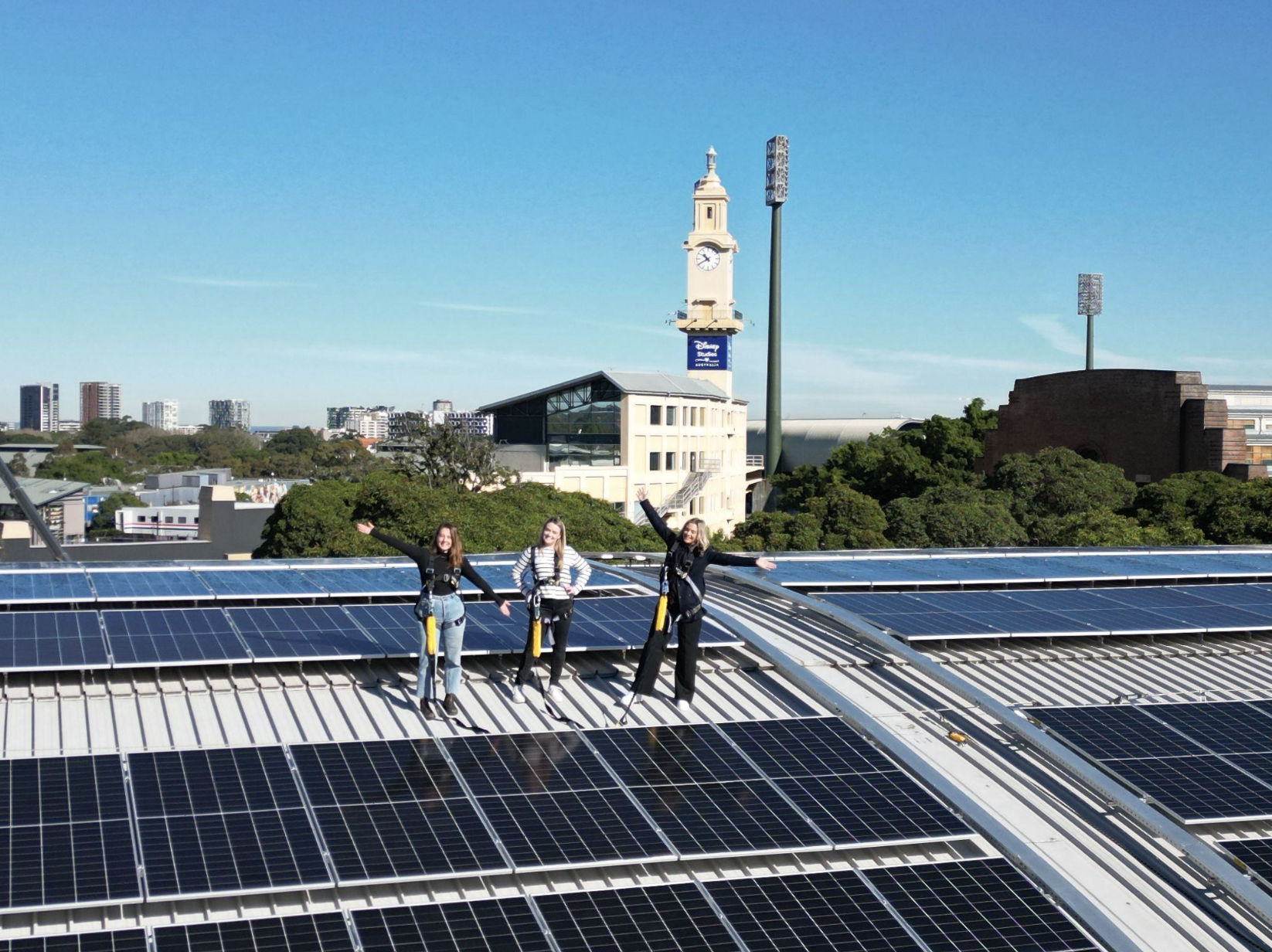
SSA member Disney Studios Australia (DSA) has made Australian screen industry history by becoming the first operating film studio to go solar.
.svg)
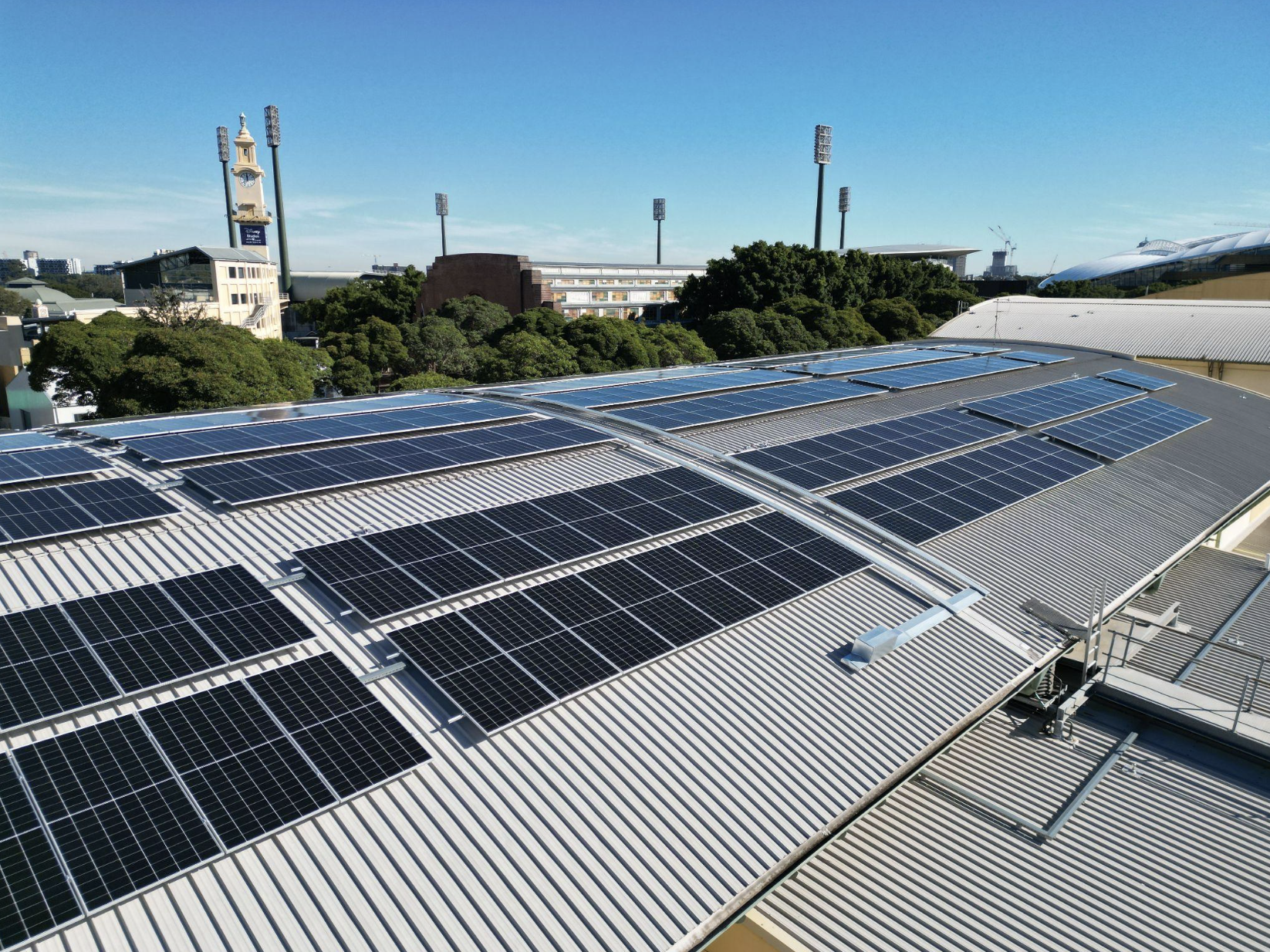
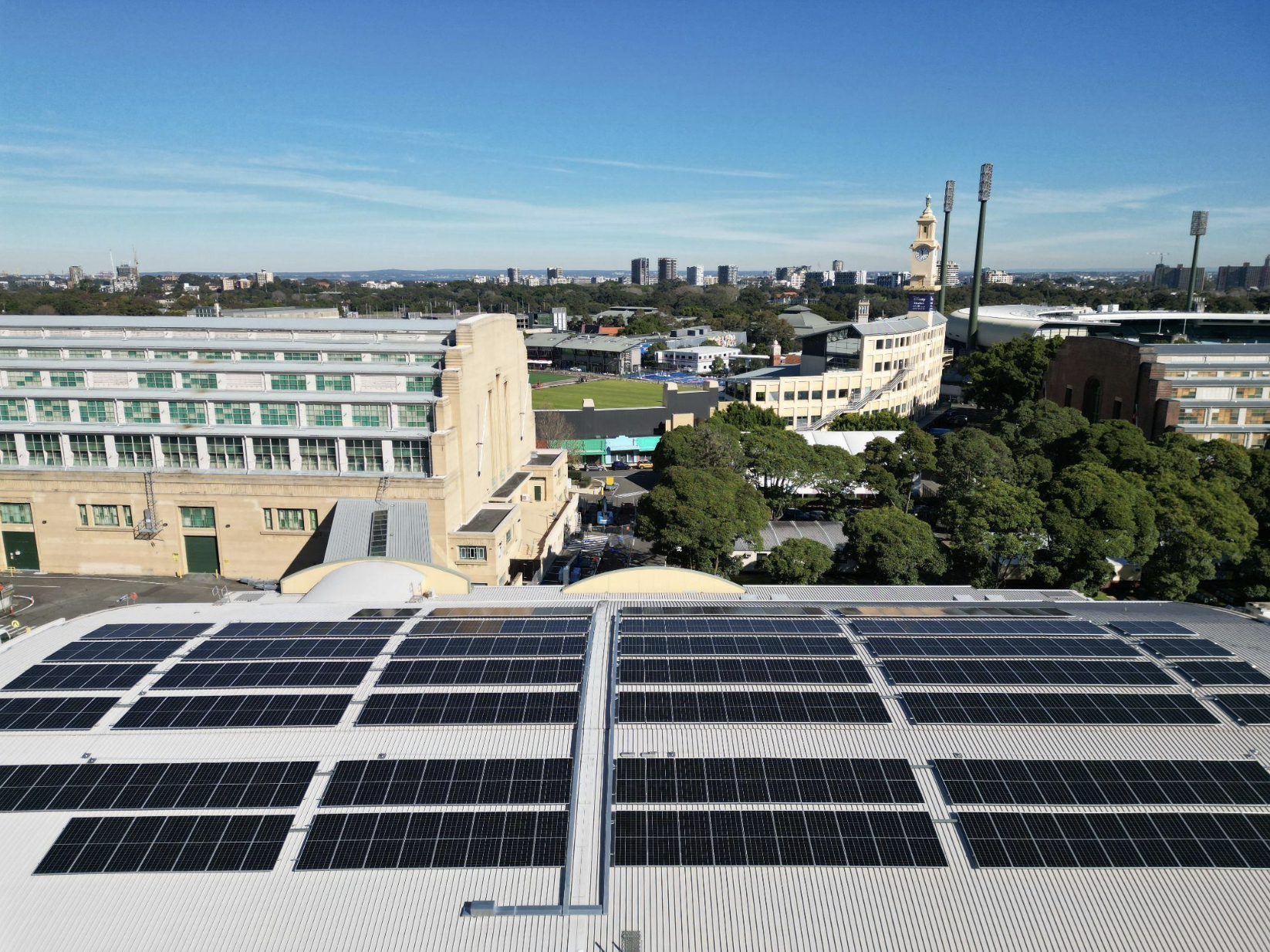
SSA member Disney Studios Australia (DSA) has made Australian screen industry history by becoming the first operating film studio to go solar. Installing over 700 solar panels represents a pivotal shift towards sustainability in Australia's entertainment sector.
The secret to DSA's success? The combination of a dedicated Green Team, strategic planning, ongoing stakeholder engagement, and the drive to balance cultural preservation whilst embracing sustainable innovation. This landmark installation doesn't just power buildings, it powers the future of sustainable filmmaking in Australia.
The solar initiative began with the establishment of the DSA Green Team in 2019, when the idea of solar energy "felt more like a pipe dream than a practical option." The project drew inspiration from Disney's broader sustainability commitment and other forward-thinking businesses that had embraced solar technology. As the team noted, witnessing these "bold steps toward sustainability showed what's possible and encouraged us to push even further with our own initiatives."
The project began by engaging a solar consultant to conduct a site feasibility study. The feasibility study was a comprehensive review of all buildings and electrical interval data. Due to the nature of the site, a number of heritage significant buildings were ruled out due to their unsuitable rooftops. The site’s location within an entertainment precinct was also a challenge due to shading from surrounding stadiums, again ruling out a number of buildings.
The primary challenge the studio faced stemmed from working with legacy records, as much of the original structural, architectural, electrical, and related documentation dated back over 30 years and existed primarily in paper form. With the transition into the digital age, the task became one of systematically digitising and consolidating these historical records to ensure they could be efficiently accessed and utilised for current system design requirements, while also preserving them for future use and regulatory compliance.
A further challenge the studio faced was coordinating the solar panel installation works around ongoing production activities. As the facility operates to stringent production schedules, it was essential to carefully plan and sequence the installation to minimise disruption to day-to-day operations. The task became one of aligning contractor access, equipment deliveries, and rooftop works with available production downtime and operational constraints, ensuring the project could be delivered safely and efficiently while maintaining production continuity and avoiding impacts to critical business activities.
While the project did not operate to a fixed lead time, the studio remained focused on progressing the initiative whenever opportunities arose and challenges were resolved. Despite the complexities of site assessments and operational constraints, the team was pleased to see the project come to life.

When selecting a building for solar installation, DSA recommends considering the following criteria:
- Consistent solar exposure: The building should receive reliable sunlight throughout the day, with minimal shading, particularly in the afternoon when solar generation can be at its highest.
- Structural integrity: The roof must be structurally sound and in good condition to safely support the solar panels over their lifespan.
- Adequate roof space: Ensure the available roof area is sufficient to accommodate the desired system size and configuration.
- Suitable electrical infrastructure: The building should have appropriate electrical systems and capacity to integrate the solar installation effectively.
- Consistent energy demand: The building should have stable and predictable energy usage to maximise return on investment and efficiently utilise the generated power.
The solar system forms part of Disney Studios Australia’s broader sustainability initiative. This includes 15 dedicated recycling streams that achieve an average landfill diversion rate of 85%; a sitewide LED upgrade; the transition of small-market accounts to GreenPower; electric vehicle charging stations; LED set lighting available through Disney Lighting; and the use of rain water tanks across site. DSA is also home to a vast majority of tree canopy coverage and greenery throughout the site, an environment that promotes wellbeing and connection to nature. This holistic approach demonstrates how studios can create meaningful environmental impact across all operational areas and drastically reduce the impact of their client’s productions.
Disney Studios Australia views this installation as a foundation for expanded sustainability efforts. The team aims to "build on the momentum of this solar initiative by exploring further opportunities to integrate renewables across the site, reduce our environmental footprint, and align more closely with long-term sustainability goals." Read more about their long-term goals here.
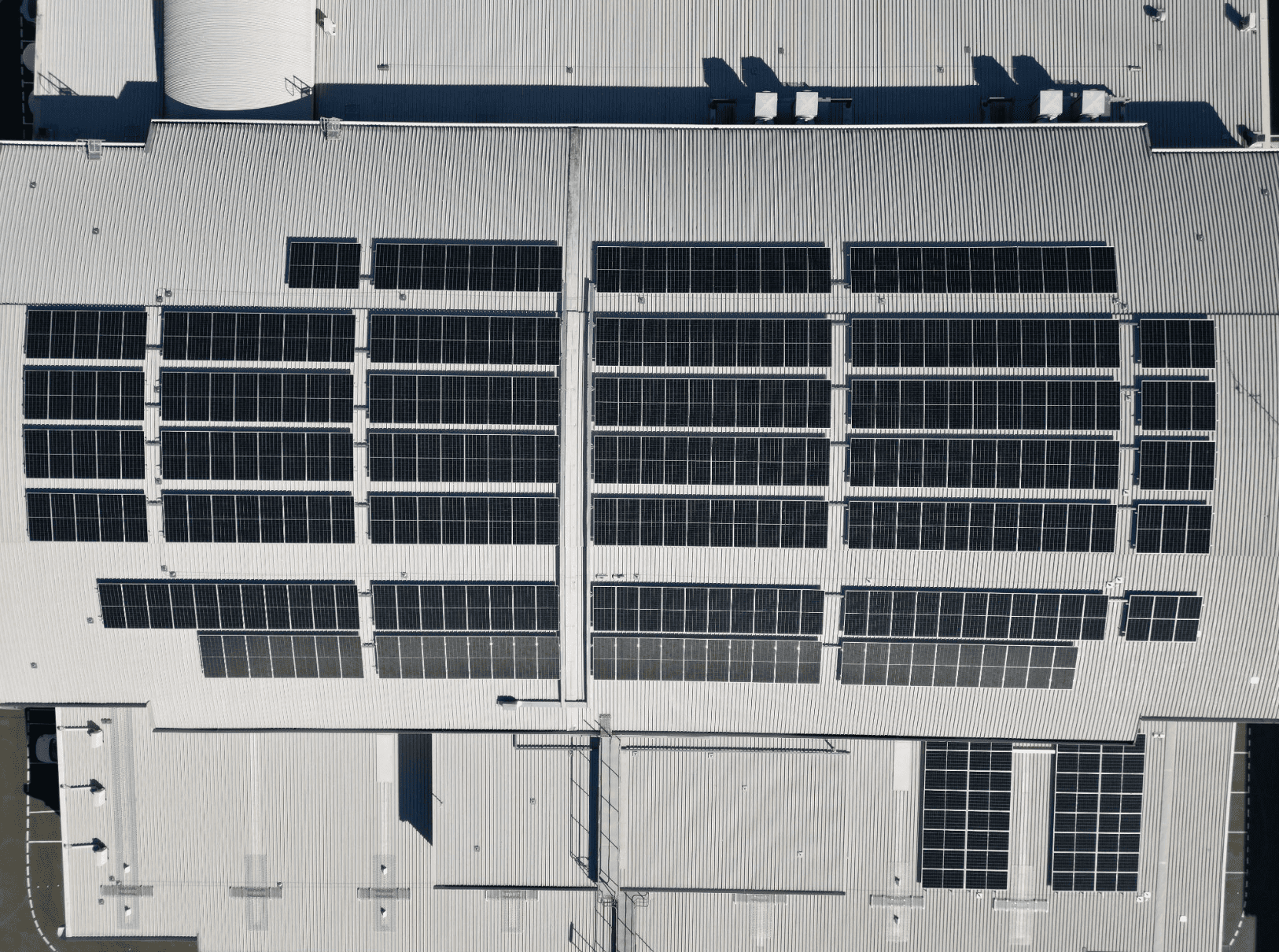
By successfully navigating heritage constraints and infrastructure challenges, DSA has transformed what was once considered "a pipe dream" into large-scale renewable energy adoption that is both feasible and essential for meeting their ambitious 2030 Net Zero goals.
This achievement extends beyond a single studio's operations and demonstrates how the screen industry can meaningfully contribute to Australia's renewable energy transition while maintaining production excellence, paving the way for widespread adoption across the sector.
Read about how other SSA members SBS and Docklands Studio are approaching renewable energy here.